ENSA Paris-Est
Autumn Semester 2025
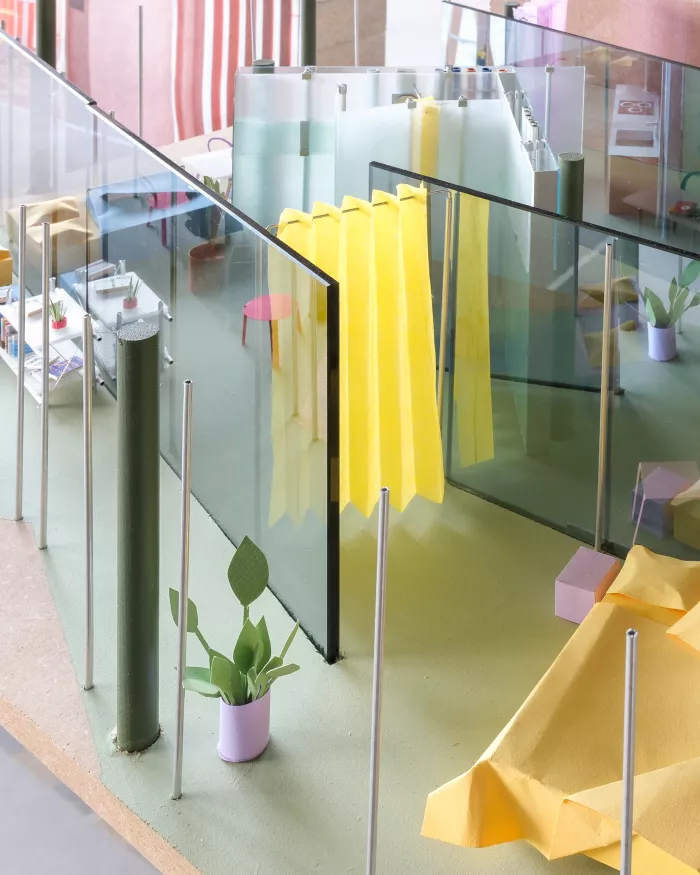
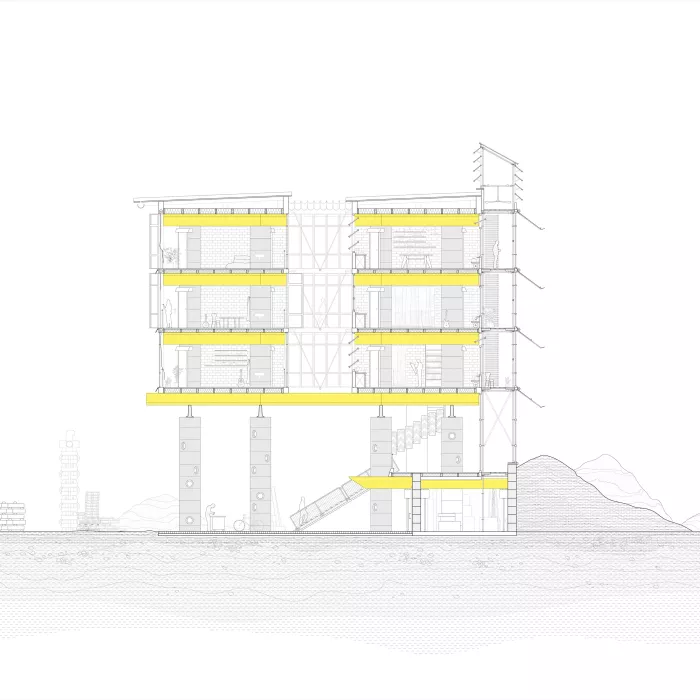
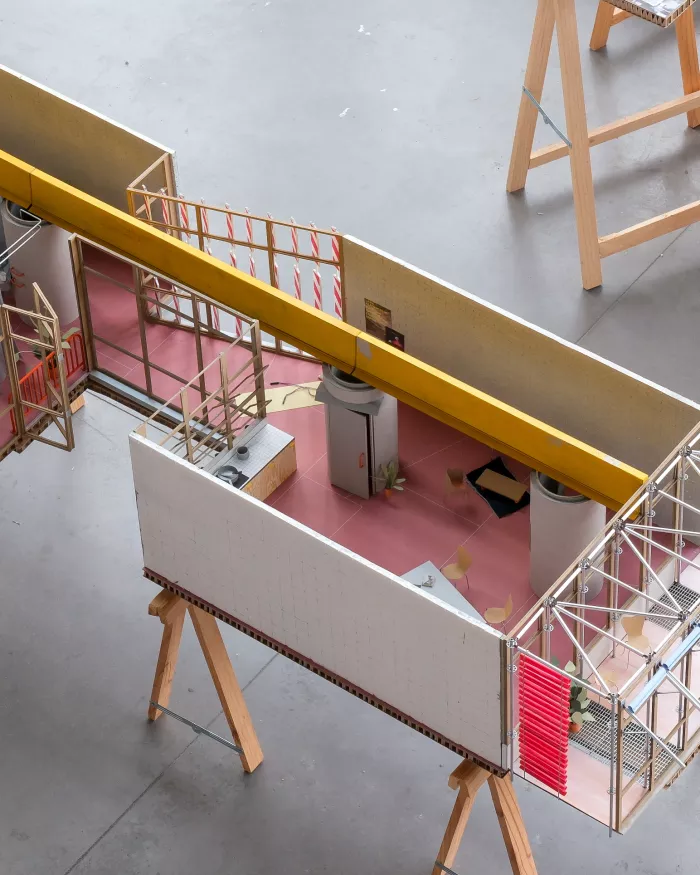
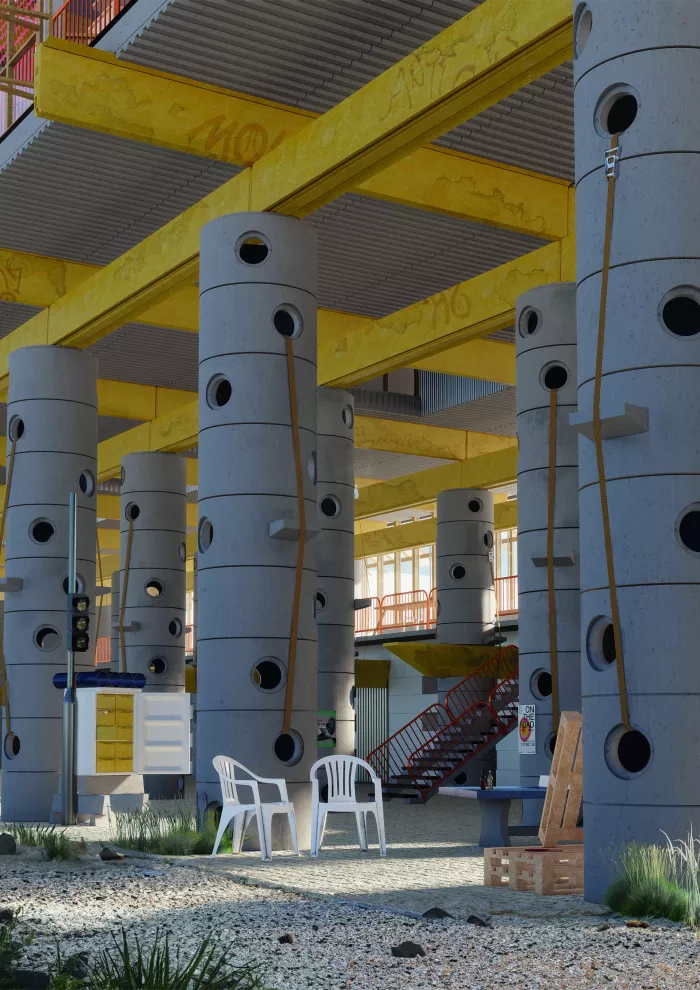
Architecture must always negotiate the permanence of built form and the unpredictable conditions that its occupants produce. The semester explores architectural form as a living substance, capable of accommodating different rhythms, transformations and possible futures through three interrelated temporalities.
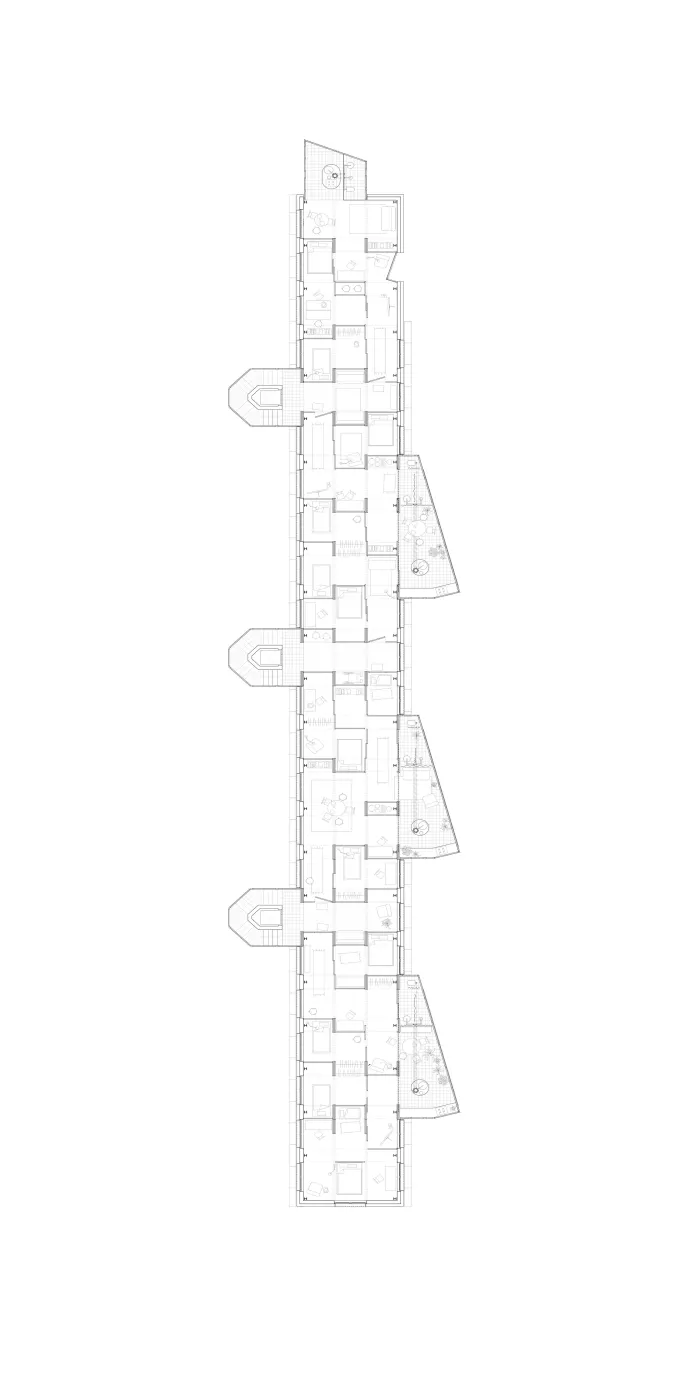
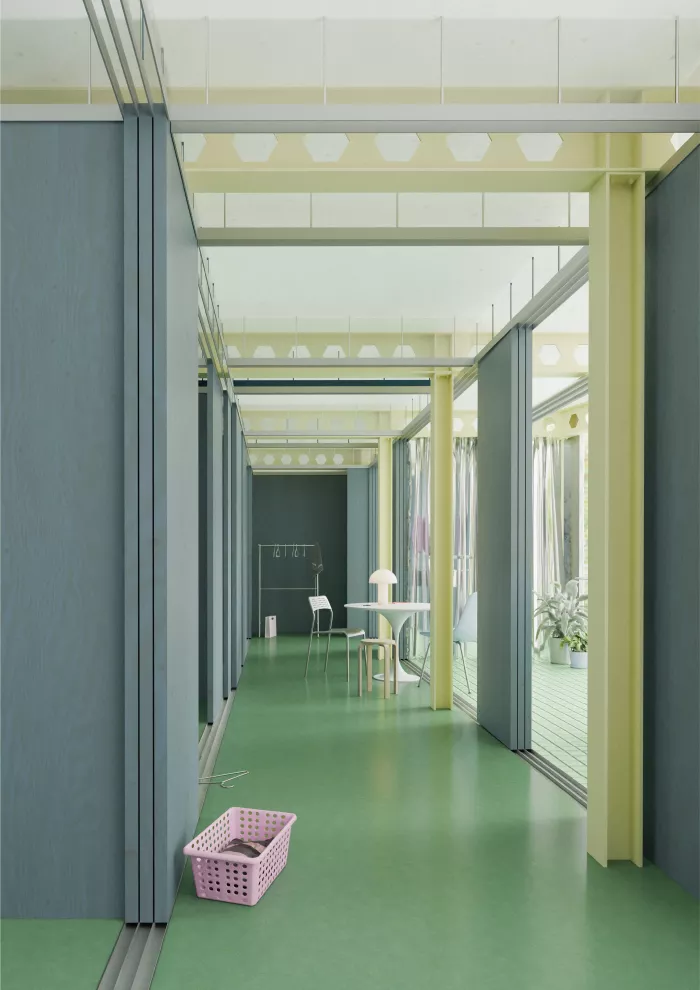
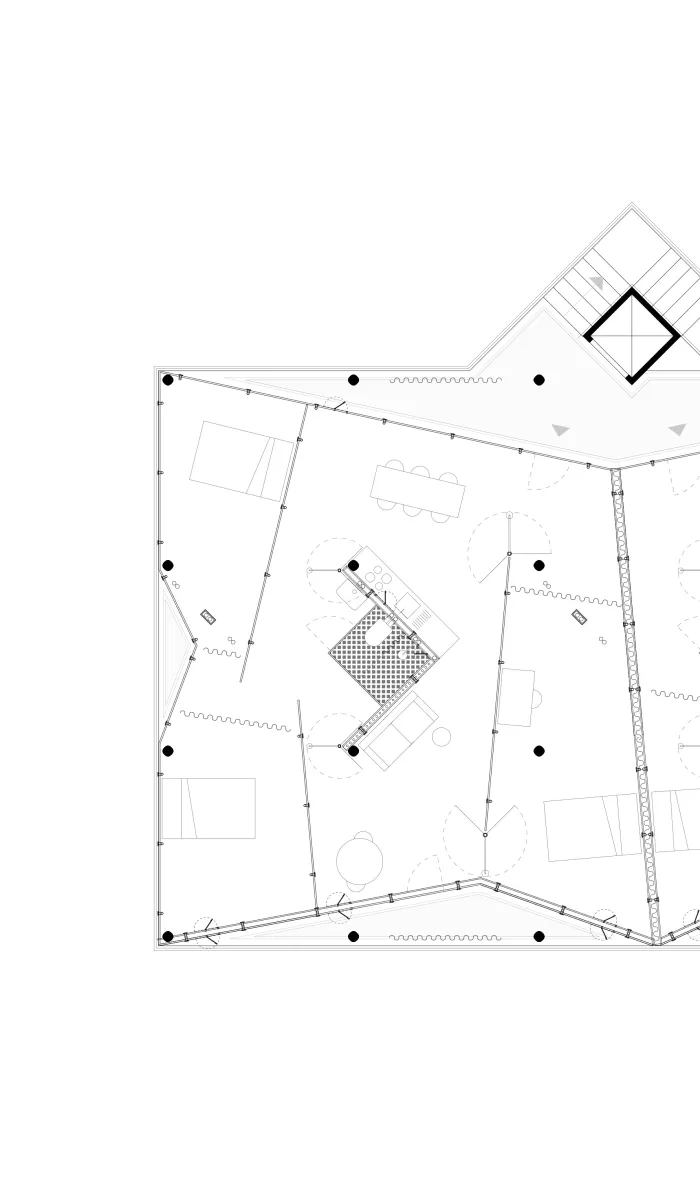
Living temporality questions contemporary housing production, largely driven by property investment markets, which continues to reproduce standardised domestic arrangements, where each room is assigned a predetermined function. This functionalist approach leaves little room for the free flow of life or the diversity of present and future social configurations. The studio shifts the question of living functions towards spatial qualities for living, where uses are not fixed attributes of rooms but open and undetermined possibilities generated by space itself. Housing is understood through its spatio-temporal dimension, investigating how architectural form can accompany the changing rhythms of everyday life.
Climate temporality takes its starting point in the impossibility of perfectly mechanically controlling interior environments, thereby exploring the relationship between climate, seasons and space. Thermal variation, seasonal occupation and the changing uses of rooms suggest an understanding of living space as a fluctuating, breathing landscape. The interaction between inside and outside becomes a spatial intention, calling into question the strict delimitation of thresholds and the possibility of inhabiting architecture differently throughout the year.
Material temporality challenges conventional definitions of durability and permanence. By reconsidering what is permanent and what is temporary in a building, the studio questions durability beyond the distinction between structural and non-structural elements. Through the lifecycles of materials, their transformation, disassembly and reuse, permanence is no longer measured solely by the duration of an initial built state, but by its potential for continuous adaptation. The temporalities embedded in materials and existing constructions offer the possibility of redefining permanence in architecture.
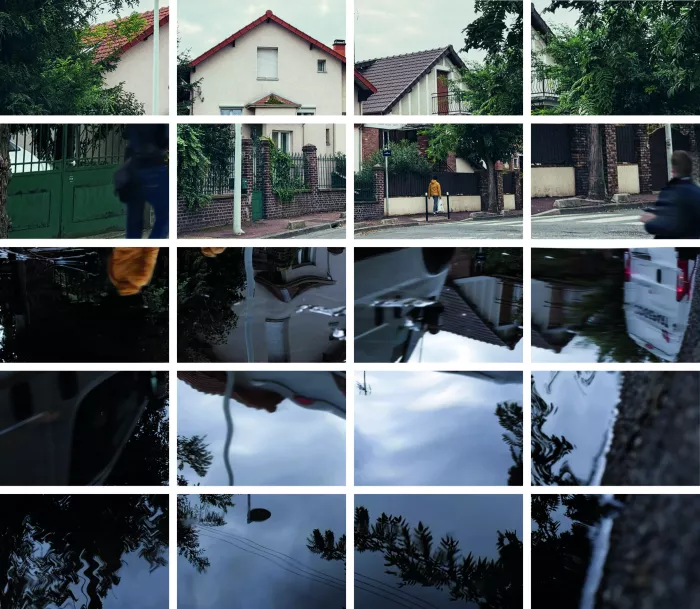
These questions are situated along Avenue Paul Vaillant Couturier in La Courneuve, at the Quatre-Routes intersection. This fragmented and intensely inhabited stretch of the Parisian periphery brings together conflicting urban rhythms: fast-moving traffic and slower pedestrian life, commercial activity and domestic occupation, inherited structures and ongoing transformation. Drawing on cinematic and photographic techniques, the studio investigates the site through movement, sequences and multiple viewpoints, revealing temporalities that coexist within its apparently ordinary fabric.
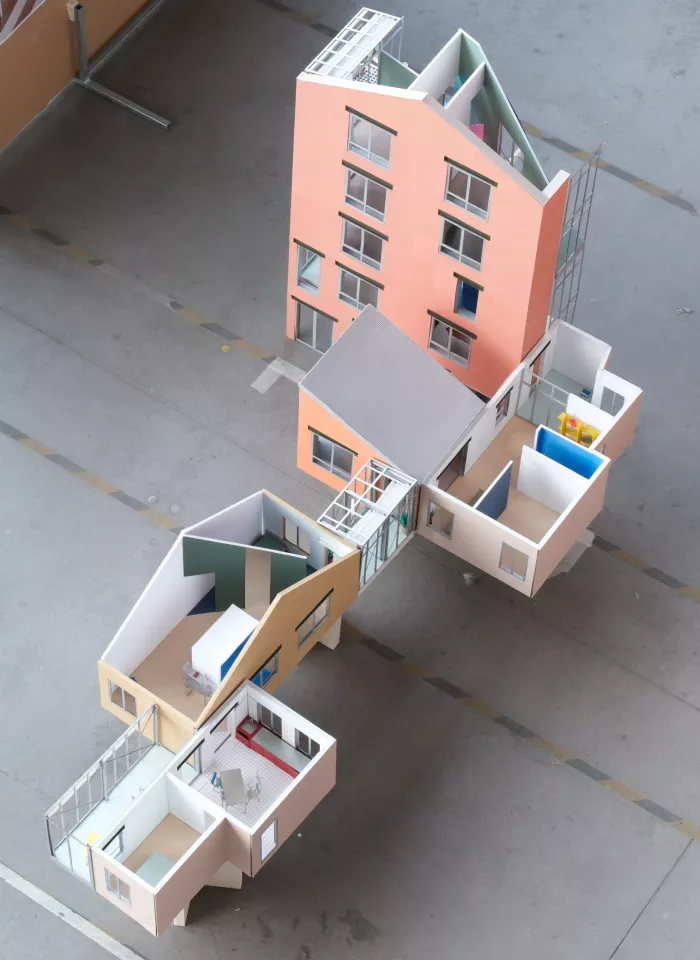
Through housing projects along this urban strip, we asked how architecture might negotiate the different timescales of everyday life, climate and material existence. Rather than designing for a fixed present or an imagined future, the ambition is to conceive architecture through its capacity to change.
Tristan Chadney
Antoine Collet
Anna MacIver-Ek
Thilleli Adjaoudi
Etân Adjevi-Neglokpe
Auguste Allain
Lilou Antonelli
Arthur Atger
Lotte Becher
Myriam Ben Nasr
Ilhem Benderdouch
Enora Bleines
Eden Boukhobza
Angèle Bovin
Elsa Cambonie--De Bouard
Maxime Cazet
Vassili Dembinski
Ilana Demonsais
Theo Desrues
Alexandre Devergne
Kim Dupont
Aude Egger
Matéo Gelpi
Sebastian Gerner
Camil Girardot
Maxime Guillemard
Eden Guillory
Loqman Gustave
Ethel Halimi
Agathe Henry
Awen Kadi
Souleymene Karrari
Alice Lequertier
Hugo Letout
Jules Macarez
Anouck Magarian
Clara Martin
Benjamin Menudier Raynal
Lisa Mignon Casetta
Houyene M'Zali
Suren Oganesian
Diane Ouro-Sama
Eleni Palli
Jiwon Park
Solène Pierre
Elif Polat
Bastien Pourbaix
Valentin Rousseau
Carla Rousseau Jover
Hugo Sanguin
Chloé Sarraf
Marthe Semin
Adrien Souyri
Florent Van Lierde
Victoria Vialle
Paul Wessel